
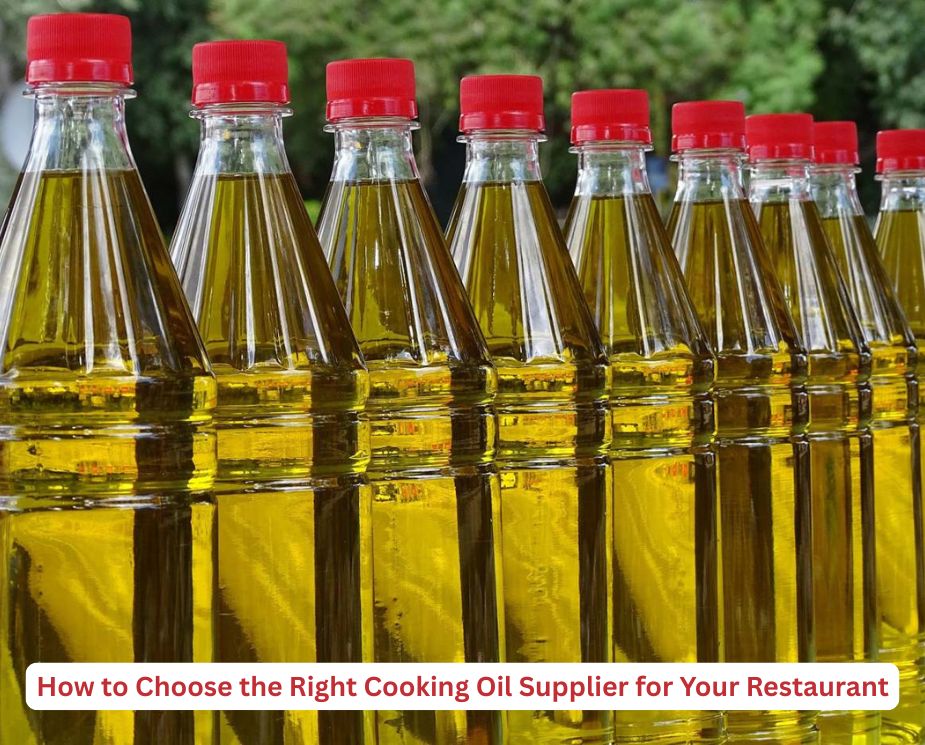
For restaurants and foodservice businesses, choosing the right cooking oil supplier is a decision that affects cost, consistency, and overall kitchen performance.
The best cooking oil supplier should offer consistent quality, competitive pricing, reliable delivery, and a range of products suited to your kitchen’s needs. Making the right choice can improve efficiency, reduce costs, and ensure smooth day-to-day operations.
With so many options available, understanding what to look for can help you make a smarter, long-term decision.
Why Your Cooking Oil Supplier Matters?
Cooking oil is a core ingredient used daily in most commercial kitchens. A reliable supplier ensures:
- Consistent product quality
- Stable pricing
- Timely deliveries
- Access to the right packaging formats
Choosing the wrong supplier can lead to:
- Inconsistent cooking results
- Supply disruptions
- Increased costs
Key Factors to Consider When Choosing a Supplier
1. Product Quality and Consistency
Quality should always be a top priority.
Look for suppliers that offer:
- High-quality oils suitable for commercial use
- Consistent batches
- Oils designed for high-heat performance
Explore our oil & fats category for reliable options tailored to foodservice kitchens.
2. Range of Oil Options
A good supplier should provide a wide selection, including:
- Vegetable oils
- Sunflower oils
- Olive oils
- Bulk and drum options
This allows you to choose the right oil for different applications such as frying, cooking, and dressings.
3. Competitive Pricing
Cost is a major factor, especially for high-volume kitchens.
Consider:
- Price per litre
- Bulk discounts
- Long-term value rather than just upfront cost
Bulk purchasing options can significantly reduce overall expenses.
4. Packaging and Supply Options
The right supplier should offer flexible packaging:
- Bottles for small-scale use
- Drums for medium-volume kitchens
- Bulk supply for high-volume operations
Learn more in our guide on choosing the right oil packaging for your kitchen.
5. Reliability and Delivery
Timely delivery is essential for uninterrupted operations.
Choose a supplier that:
- Has a strong distribution network
- Offers consistent delivery schedules
- Minimises risk of stock shortages
6. Industry Experience and Reputation
An experienced supplier understands the needs of foodservice businesses.
Look for:
- Established presence in the market
- Positive customer feedback
- Expertise in commercial kitchen requirements
7. Support and Customer Service
Good suppliers provide:
- Product guidance
- Responsive customer support
- Assistance with bulk orders
This is especially important for growing businesses.
Matching Supplier to Your Kitchen Needs
1. For High-Volume Kitchens
- Prioritise bulk supply options
- Focus on cost efficiency
- Ensure reliable delivery
2. For Small to Medium Kitchens
- Flexible order sizes
- Easy-to-handle packaging
- Consistent product availability
Common Mistakes to Avoid
- Choosing based on price alone
- Ignoring product quality
- Not considering delivery reliability
- Overlooking packaging needs
These mistakes can lead to higher costs and operational issues.
How the Right Supplier Helps Reduce Costs?
A good supplier helps you:
- Access better pricing through bulk options
- Choose the right oil for efficiency
- Reduce waste with proper packaging
- Maintain consistent kitchen performance
Combined with proper oil management practices, this can significantly improve profitability.
Why Choosing the Right Oil Matters Too?
Even with the best supplier, selecting the right oil is essential.
Consider:
- Smoke point
- Refined vs unrefined options
- Intended use (frying, dressing, cooking)
Browse our full oil & fats category to find oils that match your kitchen’s requirements.
Conclusion
Choosing the right cooking oil supplier is a strategic decision that goes beyond pricing. It impacts your kitchen’s efficiency, food quality, and long-term costs.
By focusing on quality, reliability, and flexibility, foodservice businesses can build strong supplier relationships that support growth and success.
For a trusted range of cooking oils and foodservice solutions, explore our oil & fats category designed for professional kitchens.
