
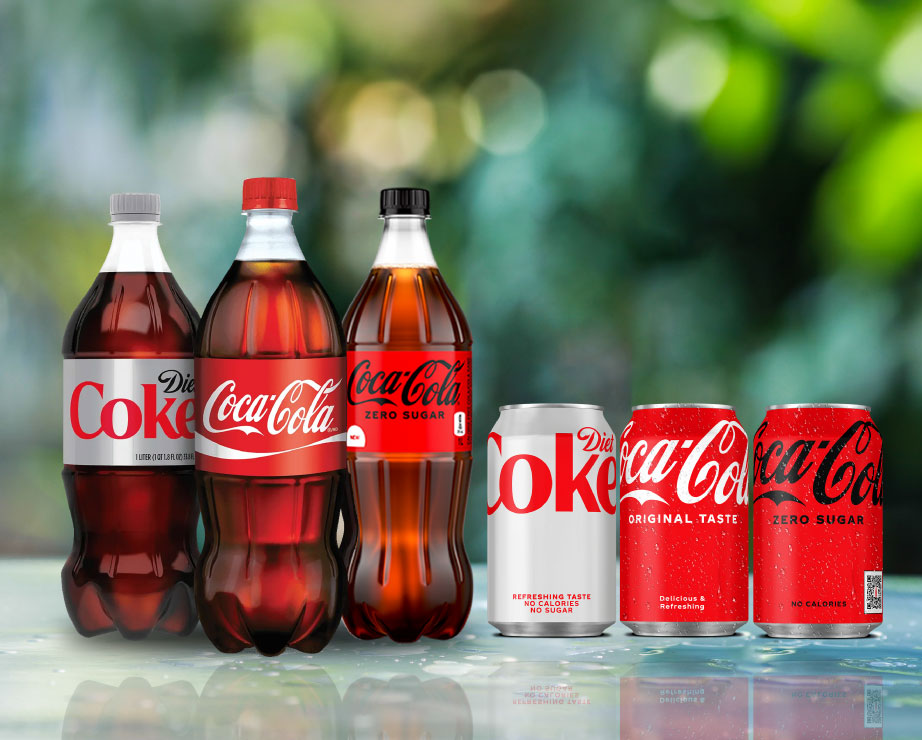
Diet Coke and Coca-Cola Zero Sugar are both sugar-free, low-calorie alternatives to Coca-Cola Original Taste, but they are not the same drink. The main differences come down to their flavour profiles, formulations, branding and how closely they are designed to resemble Coca-Cola Original Taste.
So, what is the difference between Diet Coke and Coke Zero?
In simple terms, Coca-Cola says that Coca-Cola Zero Sugar is designed to taste more like Coca-Cola Original Taste. At the same time, Diet Coke has its own distinct, lighter flavour profile. Both are sugar-free and low in calories.
For restaurants, takeaways, cafés and other food businesses, understanding the difference between Diet Coke vs Coke Zero can also help when deciding which soft drinks to offer customers.
In this guide, we compare Diet Coke, Coca-Cola Zero Sugar and Coca-Cola Original Taste, including taste, ingredients, sugar, calories, caffeine, history and foodservice considerations.
Diet Coke vs Coke Zero: Quick Comparison
| Diet Coke | Coca-Cola Zero Sugar | |
| Sugar | 0g | 0g |
| Calories | Very low | Very low |
| Taste | Distinctive, lighter cola taste | Designed to be closer to Coca-Cola Original Taste |
| Main sweeteners | Aspartame and acesulfame-K | Aspartame, acesulfame-K and steviol glycosides |
| Caffeine | Yes, standard version | Yes, standard version |
| Original launch | 1980s | Originally launched as Coca-Cola Zero, later reformulated/rebranded |
| Best known for | Its distinctive Diet Coke taste | Coca-Cola taste without sugar |
Ingredient and nutritional formulations can change, so always check the current product packaging or manufacturer information for the exact product you are buying.
What is the Difference Between Diet Coke and Coke Zero?
The biggest difference is taste and formulation.
Diet Coke was created as a separate sugar-free cola with its own flavour profile. Coca-Cola Zero Sugar, on the other hand, was developed to provide a taste experience closer to Coca-Cola Original Taste while containing no sugar. Coca-Cola’s UK FAQ specifically identifies taste as the key difference between the two.
Both drinks are sugar-free, but they use different formulations to achieve their respective flavour profiles.
Diet Coke
Diet Coke has a distinctive, crisp and lighter cola taste. It was introduced as Coca-Cola’s first sugar-free cola and has developed its own following rather than simply trying to replicate the taste of Original Coca-Cola.
Coca-Cola Zero Sugar
Coca-Cola Zero Sugar is designed for people who want the taste experience of Coca-Cola Original Taste without the sugar. Coca-Cola describes it as tasting more like the original Coca-Cola flavour than Diet Coke.
Diet Coke vs Coke Zero Taste
Taste is probably the most important difference for anyone deciding between Diet Coke and Coke Zero.
What does Diet Coke taste like?
Diet Coke has a lighter, distinctive cola flavour. It is not simply Coca-Cola Original Taste with the sugar removed; it has its own formulation and flavour profile.
Some customers specifically prefer Diet Coke because of this distinctive taste.
What does Coke Zero taste like?
Coca-Cola Zero Sugar is formulated to taste more like Coca-Cola Original Taste while remaining sugar-free and very low in calories.
This makes it a common choice for customers who enjoy the flavour of regular Coca-Cola but want a no-sugar alternative.
Which tastes more like regular Coke?
Coca-Cola Zero Sugar is designed to taste more like Coca-Cola Original Taste than Diet Coke.
That does not necessarily mean everyone will prefer it. Diet Coke has its own established flavour profile, so the choice ultimately comes down to individual taste.
Diet Coke vs Coke Zero Ingredients
The formulations are another important difference.
Current Coca-Cola GB product information lists Diet Coke as containing carbonated water, caramel colour, aspartame and acesulfame-K, natural flavourings, caffeine flavouring and acids including phosphoric and citric acid.
Coca-Cola Zero Sugar’s current UK formulation includes carbonated water, caramel colour, phosphoric acid, aspartame, acesulfame-K, enzymatically produced steviol glycosides, natural flavourings, caffeine flavouring and sodium citrate.
This is why it is better not to describe one simply as “Diet Coke with a different name”. They are separate products with different formulations.
Important: Soft drink formulations can change over time and may differ between countries. For UK foodservice purchasing, always use the current product label or manufacturer specification for ingredient and allergen information.
Are Diet Coke and Coke Zero Sugar Sugar-Free?
Yes. Both Diet Coke and Coca-Cola Zero Sugar are sugar-free products.
Coca-Cola GB’s current product information lists 0g of sugar for both drinks.
They use sweeteners instead of sugar to provide sweetness.
This is an important distinction when comparing them with Coca-Cola Original Taste, which contains sugar.
Diet Coke vs Coke Zero Calories
Both Diet Coke and Coca-Cola Zero Sugar are very low in calories.
Current Coca-Cola GB information lists approximately 0.4 kcal per 100ml for Diet Coke and approximately 0.3 kcal per 100ml for Coca-Cola Zero Sugar.
The exact nutritional values should always be checked against the current packaging because formulations can change.
Does Coke Zero Have More Caffeine Than Diet Coke?
Both standard Diet Coke and Coca-Cola Zero Sugar contain caffeine.
The exact amount can vary by product and market, so it is better to check the current UK packaging rather than relying on older comparison tables.
Coca-Cola GB currently states that a 330ml can of Diet Coke contains 46mg of caffeine.
There are also caffeine-free versions of both product lines, so customers who want to avoid caffeine have another option.
Coke Zero vs Diet Coke UK
For UK customers, the distinction is particularly straightforward:
- Diet Coke has its own distinctive, lighter cola taste.
- Coca-Cola Zero Sugar is designed to taste more like Coca-Cola Original Taste.
- Both are sugar-free.
- Both are very low in calories.
- Both use sweeteners.
- Both are available in standard and caffeine-free variants.
If you are comparing products for a UK restaurant, takeaway or café, check the current UK product specification rather than relying on information from US or other international websites.
Coca-Cola Classic vs Diet Coke vs Coke Zero Sugar
Diet Coke and Coke Zero Sugar are both alternatives to Coca-Cola Original Taste, but they serve slightly different taste preferences.
1. Coca-Cola Original Taste
Coca-Cola Original Taste contains sugar and has the familiar full cola flavour associated with the classic Coca-Cola drink.
For foodservice businesses, it remains a useful option for customers who prefer traditional Coca-Cola.
2. Diet Coke
Diet Coke is sugar-free and has its own distinctive flavour. It is not intended to simply replicate Coca-Cola Original Taste.
3. Coca-Cola Zero Sugar
Coca-Cola Zero Sugar is also sugar-free and is designed to provide a taste closer to Coca-Cola Original Taste.
Coca-Cola Zero Sugar 330ml Cans
Coke vs Diet Coke vs Coke Zero: At a Glance
| Product | Sugar | Calories | Taste profile | Sweeteners | Main distinction |
| Coca-Cola Original Taste | Contains sugar | Higher than the sugar-free versions | Classic Coca-Cola flavour | Sugar | Original full-sugar option |
| Diet Coke | 0g | Very low | Distinctive, lighter cola taste | Aspartame + acesulfame-K | Its own established flavour |
| Coca-Cola Zero Sugar | 0g | Very low | Designed closer to Original Taste | Aspartame + acesulfame-K + steviol glycosides | Coca-Cola taste without sugar |
Current UK formulations should be checked before publishing nutritional or ingredient information because manufacturers can reformulate products.
Why Do Diet Coke and Coke Zero Taste Different?
Even though both drinks are sugar-free, removing sugar does not automatically produce the same taste as regular Coca-Cola.
Sweeteners, flavourings, acids and the proportions of different ingredients all contribute to the final flavour.
Diet Coke and Coca-Cola Zero Sugar therefore use different formulations to create their respective taste profiles.
Coca-Cola’s own explanation is straightforward: Zero Sugar is designed to taste more like Coca-Cola Original Taste, while Diet Coke has a different blend of flavours and a lighter taste.
Diet Coke vs Coke Zero: Which One Should a Food Business Stock?
There is no single option that will suit every customer.
For a restaurant, takeaway, café or catering business, offering more than one cola option can give customers a choice between traditional Coca-Cola, Diet Coke and Coca-Cola Zero Sugar.
For traditional Coca-Cola customers
Stocking Coca-Cola Original Taste gives customers the familiar full-sugar option.
For Diet Coke customers
Diet Coke has a long-established customer base and its own distinctive flavour. Removing it from a drinks range simply because another sugar-free cola is available may not suit customers who specifically prefer Diet Coke.
For customers who want Coca-Cola taste without sugar
Coca-Cola Zero Sugar is designed around the taste of Coca-Cola Original Taste without sugar.
For a broad drinks range
Offering Coca-Cola Original Taste, Diet Coke and Coca-Cola Zero Sugar provides customers with a choice between a full-sugar cola and two different sugar-free cola options.
Why Restaurants and Takeaways Stock Different Cola Options?
Soft drinks are commonly purchased alongside meals, making cola a natural addition to restaurant, takeaway and catering menus.
Offering different Coca-Cola options can help businesses accommodate different customer preferences:
- Customers who prefer traditional Coca-Cola
- Customers who specifically prefer Diet Coke
- Customers looking for a sugar-free cola closer to Original Taste
- Customers who want a caffeine-free option
For food businesses, the practical consideration is not simply which cola is “best”, but which products match the preferences of your customers and the type of menu you operate.
Explore Magna Foodservice’s range of soft drinks.
The History of Diet Coke and Coke Zero
Diet Coke was introduced in the early 1980s as Coca-Cola’s first sugar-free cola. Coca-Cola’s UK information states that Diet Coke launched in 1983.
Coca-Cola Zero followed later, launching in 2006 in Great Britain, before becoming Coca-Cola Zero Sugar. Coca-Cola says the Zero Sugar name and reformulated product were introduced to provide a taste closer to Coca-Cola Original Taste.
This history helps explain why the two products coexist rather than one simply replacing the other.
Diet Coke developed its own distinctive identity, while Coca-Cola Zero Sugar was positioned around the taste of Coca-Cola Original Taste without sugar.
So, Diet Coke vs Coke Zero: What’s the Real Difference?
The simplest answer is taste and formulation.
Both Diet Coke and Coca-Cola Zero Sugar provide a sugar-free, very low-calorie alternative to Coca-Cola Original Taste. However, Diet Coke has its own distinctive flavour, while Coca-Cola Zero Sugar is designed to provide a taste experience closer to the original Coca-Cola flavour.
For food businesses, there is therefore no universal reason to choose one over the other. Customer preferences, menu positioning, available storage space and the type of customers you serve can all influence which drinks you decide to offer.
At Magna Foodservice, you can find soft drinks for restaurants, takeaways, cafés and other food businesses.
Browse:
