
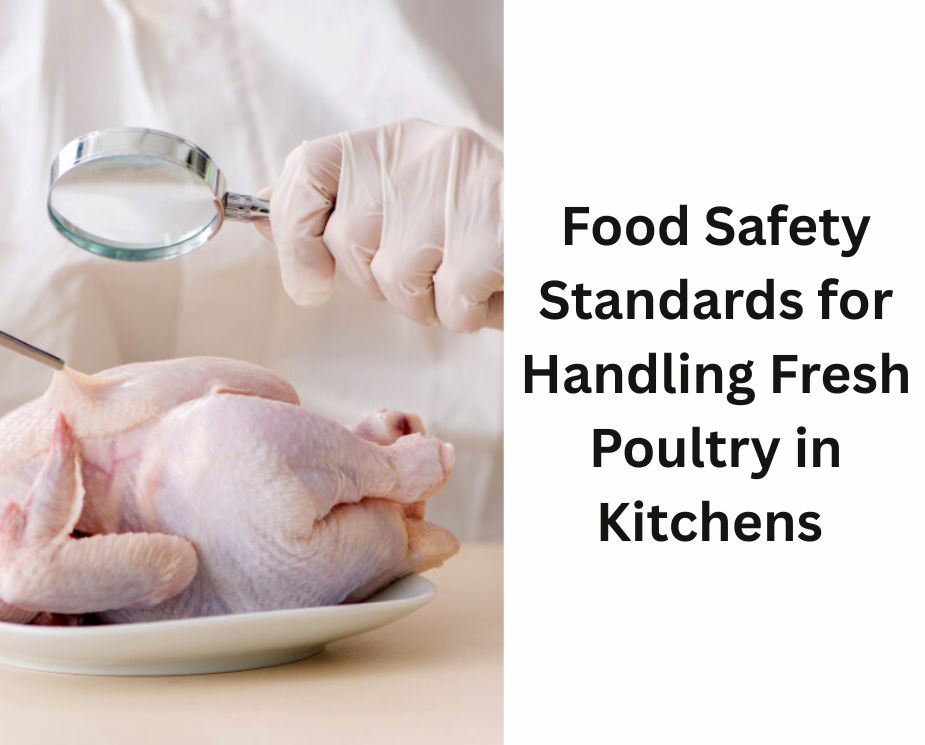
Fresh poultry is one of the most widely used ingredients in commercial kitchens, particularly in restaurants, takeaways, and catering operations. Because raw chicken can carry harmful bacteria if handled incorrectly, strict food safety practices are essential in professional food preparation environments.
Maintaining proper handling procedures protects customers, ensures regulatory compliance, and helps businesses maintain strong hygiene ratings.
Many foodservice businesses rely on suppliers such as Magna Foodservice for fresh poultry products that meet professional standards for restaurants and commercial kitchens.
In this guide, we explore the most important food safety standards for handling fresh poultry and how commercial kitchens can maintain safe preparation environments.
Why Food Safety is Important When Handling Poultry?
Raw poultry can contain bacteria such as Salmonella and Campylobacter if it is not handled or stored properly.
For commercial kitchens, maintaining strict food safety practices helps:
- Protect customers from foodborne illness
- Maintain high food hygiene ratings
- Ensure compliance with UK food regulations
- Protect the reputation of the restaurant or takeaway
Restaurants sourcing poultry from trusted suppliers can maintain high-quality ingredient standards while ensuring proper food safety procedures.
1. Proper Storage of Fresh Poultry
Correct storage is one of the most important aspects of poultry safety.
Fresh chicken should always be stored in refrigerated conditions at safe temperatures to prevent bacterial growth.
Key storage practices include:
- Keeping poultry at temperatures below 5°C
- Storing raw chicken on the lowest refrigerator shelf
- Using sealed containers or packaging
- Preventing contact with ready-to-eat foods
Products such as chicken fillet and other fresh poultry cuts should always be stored properly immediately after delivery to maintain quality and safety.
2. Preventing Cross-Contamination
Cross-contamination occurs when bacteria from raw poultry spread to other foods, surfaces, or kitchen equipment.
To prevent this risk, commercial kitchens should:
- Use separate cutting boards for raw poultry
- Clean and sanitise preparation surfaces regularly
- Avoid contact between raw poultry and cooked foods
- Use dedicated knives and equipment for poultry preparation
These practices help ensure safe handling when preparing poultry products such as chicken wings or other cuts commonly used in restaurant kitchens.
3. Maintaining Proper Personal Hygiene
Kitchen staff must follow strict hygiene practices when handling raw poultry.
Important hygiene practices include:
- Washing hands thoroughly before and after handling chicken
- Wearing clean protective gloves when required
- Avoiding direct contact with cooked food after touching raw poultry
- Wearing clean kitchen uniforms and protective clothing
Training staff in proper hygiene procedures helps reduce the risk of food contamination.
4. Cooking Poultry to Safe Temperatures
Cooking poultry thoroughly is essential to eliminate harmful bacteria.
In commercial kitchens, chicken should be cooked to the recommended internal temperature to ensure it is safe for consumption.
Proper cooking practices include:
- Using food thermometers to check internal temperatures
- Ensuring poultry is cooked evenly
- Avoiding partially cooked chicken products
- Monitoring cooking equipment carefully
Whether restaurants prepare whole chicken or portioned poultry cuts, proper cooking ensures food safety and consistent menu quality.
5. Safe Handling During Food Preparation
Professional kitchens should implement structured procedures when preparing raw poultry.
Best practices include:
- Preparing poultry in designated areas
- Cleaning surfaces immediately after use
- Avoiding prolonged exposure of poultry to room temperature
- Using fresh ingredients within recommended time frames
Following these procedures helps kitchens maintain safe food preparation environments.
6. Reliable Poultry Supply and Quality Control
Food safety begins with sourcing poultry from trusted suppliers.
Reliable foodservice suppliers ensure:
- Proper temperature-controlled transportation
- Hygienic packaging standards
- Traceable poultry sourcing
- Consistent product quality
Many restaurants and catering businesses rely on Magna Foodservice because the company focuses on supplying high-quality poultry products for professional kitchens.
Businesses can explore the full poultry range through the fresh poultry category, where multiple fresh chicken products are available for commercial kitchens.
Conclusion
Maintaining proper food safety standards when handling fresh poultry is essential for commercial kitchens. Proper storage, hygiene practices, safe cooking temperatures, and preventing cross-contamination all play an important role in protecting customers and ensuring regulatory compliance.
By sourcing poultry from reliable suppliers like Magna Foodservice, restaurants and catering businesses can maintain consistent ingredient quality while supporting safe kitchen operations.
Commercial kitchens looking for high-quality poultry products can explore the fresh poultry category to find suitable options for their menu needs.
