
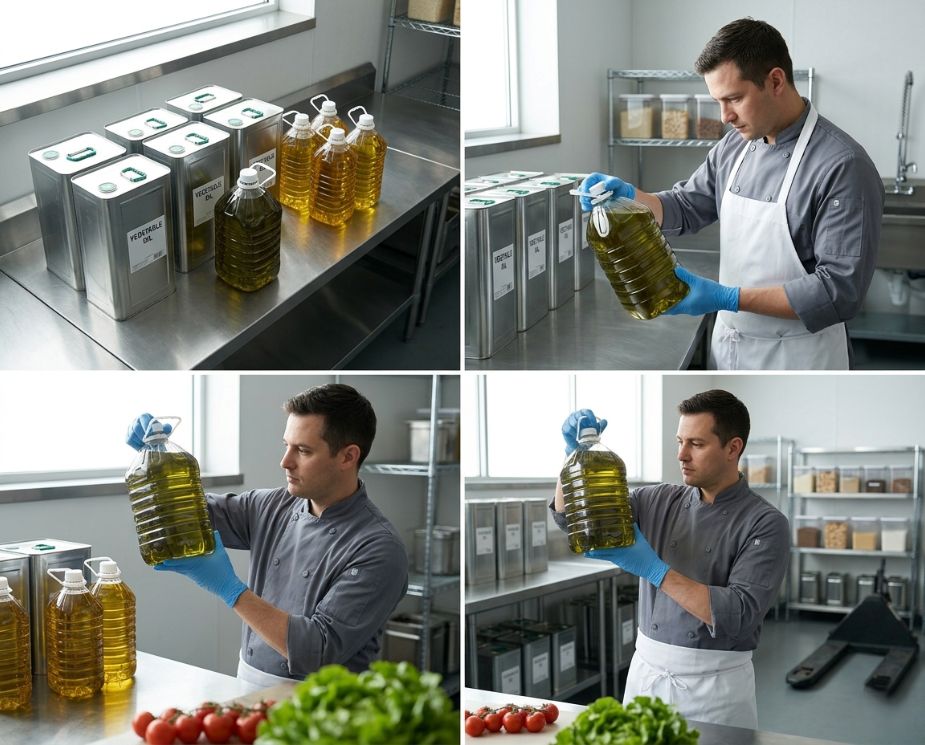
The foodservice industry is constantly evolving, and customer expectations around ingredients are changing faster than ever.
In 2026, customers expect cooking oils to be healthier, less processed, free from trans fats, and aligned with clean-label trends. Restaurants that adapt to these expectations can improve customer trust, enhance brand image, and stay competitive in a rapidly shifting market.
Understanding these trends allows commercial kitchens to make smarter ingredient choices while meeting both performance and perception goals.
Why Cooking Oil Choices Matter More Than Ever?
Today’s customers are more informed and selective about what they eat. Cooking oil, once overlooked, is now part of that conversation.
Customers increasingly care about:
- Ingredient transparency
- Health impact
- Cooking methods
- Oil quality
This shift is influencing menu choices across restaurants, takeaways, and catering businesses.
Key Health Trends in Cooking Oils for 2026
1. Demand for Non-Hydrogenated Oils
Consumers are actively avoiding trans fats and heavily processed ingredients.
Non-hydrogenated oils are now the preferred choice in most modern kitchens.
Related reading: hydrogenated vs non-hydrogenated oils.
2. Preference for Less Processed Oils
There is growing interest in:
- Minimally processed oils
- Natural ingredients
- Cleaner production methods
This trend aligns closely with the rise of refined vs unrefined oil awareness.
3. Focus on Healthier Cooking Methods
Customers are paying attention to how food is prepared:
- Reduced deep frying
- Controlled oil usage
- Better frying practices
Efficient oil use and proper filtration are becoming important selling points.
4. Transparency and Clean Labels
Restaurants are expected to:
- Clearly communicate ingredients
- Avoid artificial additives
- Use recognisable products
Transparency builds trust and loyalty.
5. Balanced Approach to Cost and Health
While health matters, businesses still need to control costs.
The trend is shifting towards:
- Cost-effective oils with better performance
- Oils that last longer and reduce waste
- Smart bulk purchasing strategies
How These Trends Impact Foodservice Businesses?
1. Menu Development
Restaurants are adapting menus by:
- Offering lighter options
- Using oils that support flavour without heaviness
- Highlighting ingredient quality
2. Brand Perception
Using better oils can:
- Improve customer trust
- Enhance brand reputation
- Differentiate your business from competitors
3. Operational Efficiency
Healthier oils often:
- Perform better when managed properly
- Reduce waste when combined with filtration
- Support long-term cost savings
Choosing the Right Oils for Modern Kitchens
To meet 2026 expectations, kitchens should:
- Use non-hydrogenated oils
- Select oils with appropriate smoke points
- Balance performance with health perception
- Choose high-quality, reliable supply sources
Explore our oil & fats category for a wide range of oils suited to modern foodservice needs.
Common Mistakes to Avoid
- Ignoring changing customer expectations
- Using outdated or low-quality oils
- Focusing only on cost
- Not adapting to industry trends
Staying updated is key to long-term success.
How Does This Connect to Your Overall Oil Strategy?
Health trends should work alongside:
- Oil filtration practices
- Bulk purchasing strategies
- Proper storage methods
- Supplier selection
Together, these create a well-rounded, future-ready kitchen operation.
Conclusion
Health trends in cooking oils are reshaping the foodservice industry in 2026. Customers now expect better ingredients, cleaner processing, and more transparency in how food is prepared.
By adapting to these changes, commercial kitchens can improve customer satisfaction, strengthen their brand, and stay competitive in an evolving market.
To find oils that meet both performance and modern expectations, explore our oil & fats category designed for professional kitchens.
