
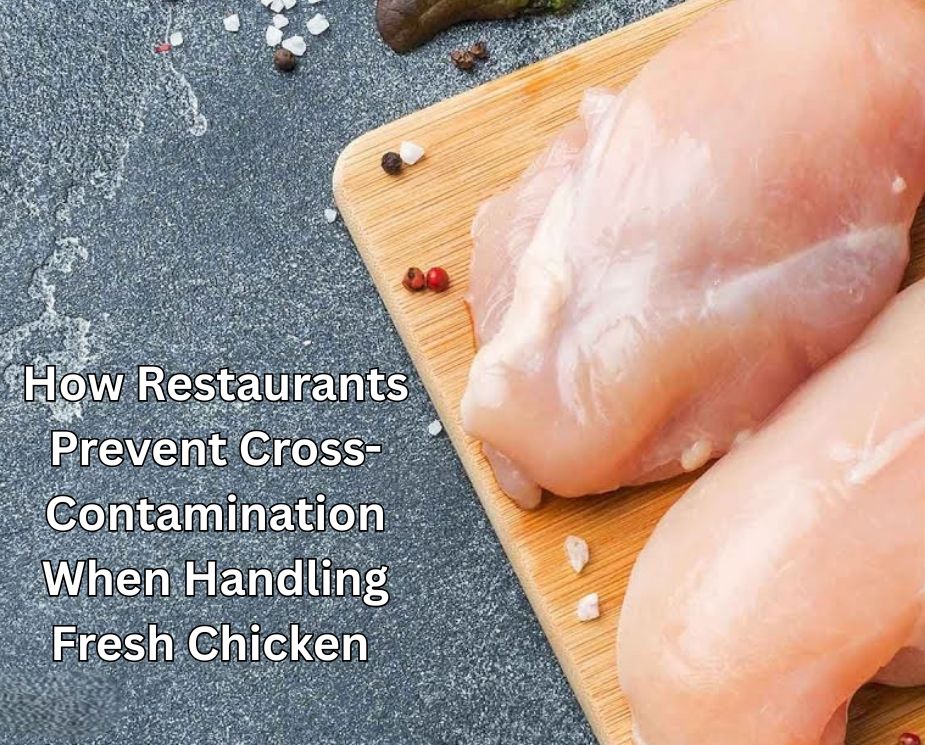
Food safety is a top priority in restaurants, takeaways, and catering businesses. When handling raw chicken, preventing cross-contamination is essential to protect customers and maintain high hygiene standards.
Cross-contamination occurs when harmful bacteria from raw poultry spread to other foods, surfaces, or equipment. Without proper precautions, this can lead to serious food safety risks.
Many foodservice businesses rely on Magna Foodservice to source fresh poultry products that meet professional kitchen standards.
In this guide, we explain how restaurants can prevent cross-contamination when handling chicken and maintain safe food preparation environments.
What is Cross-Contamination?
Cross-contamination happens when bacteria from raw food, particularly poultry, transfer to other foods or surfaces.
This can occur through:
- Shared utensils and equipment
- Improper food storage
- Poor personal hygiene
- Inadequate cleaning practices
Restaurants sourcing poultry must follow strict food safety procedures to ensure safe handling of fresh chicken.
1. Separate Raw and Cooked Foods
One of the most important steps in preventing cross-contamination is keeping raw poultry separate from ready-to-eat foods.
Best practices include:
- Storing raw chicken in dedicated containers
- Keeping poultry on the lowest refrigerator shelf
- Avoiding contact between raw and cooked foods
- Using separate preparation areas when possible
2. Use Dedicated Equipment for Poultry
Using separate equipment for raw poultry helps prevent bacteria from spreading.
Restaurants should:
- Use colour-coded chopping boards
- Assign specific knives for poultry preparation
- Avoid using the same utensils for cooked food
- Clean equipment immediately after use
3. Maintain Strict Personal Hygiene
Kitchen staff play a critical role in preventing contamination.
Proper hygiene practices include:
- Washing hands thoroughly before and after handling chicken
- Wearing gloves when necessary
- Avoiding contact with other food after touching raw poultry
- Keeping uniforms clean
Staff training ensures that hygiene standards are consistently followed across all kitchen operations.
4. Clean and Sanitise Surfaces Regularly
All kitchen surfaces must be cleaned and sanitised after contact with raw poultry.
Important practices include:
- Using food-safe cleaning products
- Sanitising work surfaces after each use
- Cleaning spills immediately
- Regularly disinfecting high-contact areas
This helps prevent bacteria from spreading throughout the kitchen environment.
5. Store Poultry Correctly in Refrigeration
Proper storage plays a key role in preventing contamination.
Restaurants should:
- Store poultry below 5°C
- Keep chicken in sealed packaging
- Prevent dripping onto other foods
- Label and organise stock properly
Businesses sourcing poultry can maintain consistent quality by following proper storage procedures.
6. Cook Poultry Thoroughly
Proper cooking eliminates harmful bacteria and reduces food safety risks.
Restaurants should:
- Ensure chicken is cooked to safe internal temperatures
- Avoid serving undercooked poultry
- Use food thermometers for accuracy
- Monitor cooking times carefully
Cooking poultry thoroughly is essential for safe food service.
7. Work with Reliable Poultry Suppliers
Food safety starts with sourcing high-quality fresh poultry from trusted suppliers.
Reliable suppliers ensure:
- Hygienic packaging
- Proper temperature-controlled delivery
- Consistent product quality
- Traceable sourcing
Many restaurants across the UK rely on Magna Foodservice because it provides poultry products suitable for commercial kitchens.
Businesses can explore available products through the fresh poultry category, ensuring they source poultry that meets food safety standards.
Conclusion
Preventing cross-contamination when handling chicken is essential for maintaining food safety, protecting customers, and ensuring compliance with hygiene regulations.
By separating raw and cooked foods, using dedicated equipment, maintaining hygiene standards, and sourcing poultry from trusted suppliers like Magna Foodservice, restaurants can create safe and efficient kitchen environments.
Businesses looking for a reliable poultry supply can explore the fresh poultry category to find suitable products for their operations.
