
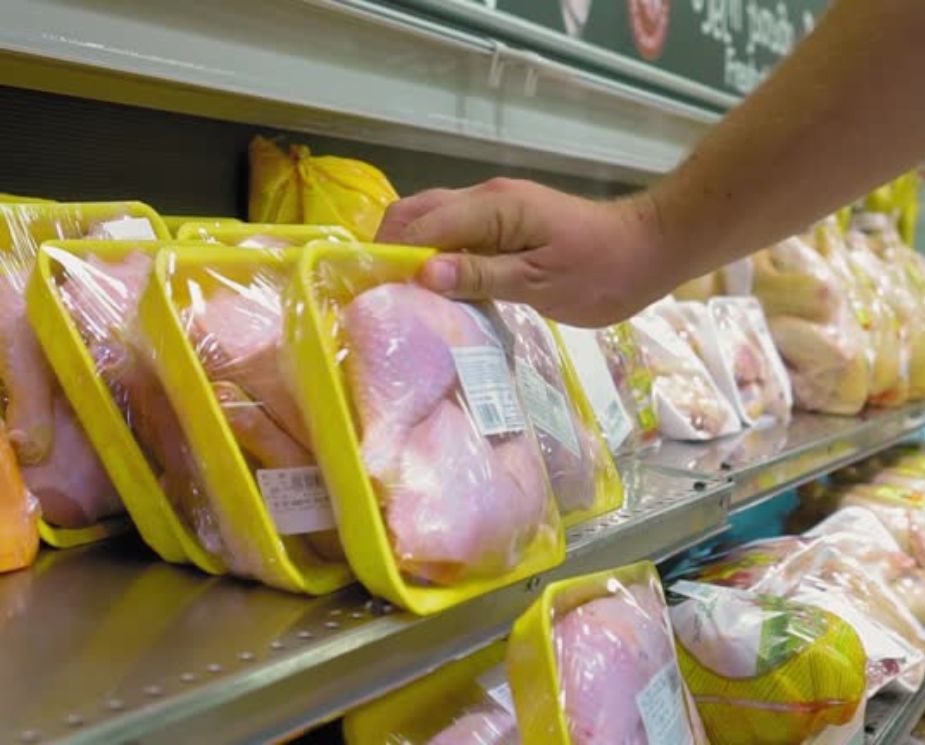
Fresh chicken is one of the most widely used ingredients in restaurant kitchens across the UK. From grilled chicken dishes and burgers to fried wings and wraps, poultry plays a central role in many menus.
Because fresh chicken is highly perishable, understanding its shelf life in restaurant refrigeration is essential for maintaining food safety and quality.
Proper storage practices help restaurants avoid food waste, maintain hygiene standards, and ensure that customers receive fresh, high-quality meals.
Many restaurants source poultry products from trusted foodservice suppliers such as Magna Foodservice, which provides fresh poultry suitable for professional kitchens.
In this guide, we explore how long fresh chicken can be safely stored in refrigeration and the best practices for commercial kitchens.
Why Shelf-Life Matters for Restaurant Kitchens?
Managing poultry shelf life is critical for restaurants that rely heavily on chicken-based menu items.
Proper refrigeration helps restaurants:
- Maintain food safety standards
- Preserve product freshness and texture
- Prevent bacterial growth
- Reduce food waste
- Maintain consistent menu quality
Restaurants that source poultry can maintain consistent ingredient quality by adhering to proper storage procedures.
Recommended Shelf Life for Fresh Chicken
When stored correctly in refrigeration, fresh raw chicken typically remains safe for a limited period.
In commercial kitchens, general guidelines include:
- Fresh raw chicken: 1-2 days in refrigeration
- Cooked chicken: 3-4 days when properly stored
However, these timeframes depend on proper refrigeration conditions and hygienic handling procedures.
Restaurants must ensure that poultry is used within recommended storage periods to maintain food safety.
Ideal Refrigeration Temperature for Fresh Chicken
Maintaining the correct temperature is essential for preserving poultry freshness.
Fresh chicken should typically be stored at temperatures below 5°C in commercial refrigerators.
Professional kitchens often implement the following practices:
- Monitoring refrigerator temperatures regularly
- Using dedicated storage areas for raw poultry
- Avoiding overcrowded refrigeration units
- Ensuring proper air circulation around stored products
Cuts such as chicken fillet and other poultry portions must be stored immediately after delivery to maintain their quality and safety.
Proper Storage Practices for Fresh Poultry
Correct storage methods can extend the usable shelf life of fresh chicken while maintaining hygiene standards.
Restaurants should follow these best practices:
- Store poultry in sealed containers or original packaging
- Place raw chicken on the lowest refrigerator shelf
- Separate raw poultry from ready-to-eat foods
- Label poultry with delivery and use-by dates
These practices help prevent contamination and ensure safe storage for products such as chicken wings, which are frequently used in takeaway menus.
Signs That Fresh Chicken is No Longer Safe to Use
Restaurant staff should always inspect poultry before preparation to ensure it remains safe for cooking.
Warning signs that fresh chicken may no longer be suitable include:
- Unpleasant or sour smell
- Slimy texture
- Discolouration or dull appearance
- Packaging damage or leakage
If any of these signs appear, the poultry should be discarded to maintain food safety standards.
Managing Poultry Inventory in Restaurant Kitchens
Efficient inventory management plays a key role in maintaining poultry freshness.
Restaurants often implement systems such as:
- FIFO (First In, First Out) stock rotation
- Labelling and tracking delivery dates
- Monitoring daily ingredient usage
- Ordering poultry according to expected demand
Reliable suppliers like Magna Foodservice help restaurants maintain a consistent poultry supply, allowing businesses to manage inventory effectively without excessive stock buildup.
Businesses can explore bulk poultry options through the fresh poultry category, where various fresh chicken products are available for professional kitchens.
Conclusion
Understanding the shelf life of fresh chicken in restaurant refrigeration is essential for maintaining food safety, product quality, and efficient kitchen operations.
By storing poultry at the correct temperatures, following safe handling procedures, and managing inventory carefully, restaurants can ensure their chicken products remain fresh and safe for customers.
Restaurants sourcing poultry from trusted suppliers like Magna Foodservice can maintain consistent quality while supporting safe food preparation practices.
Businesses looking for fresh poultry products suitable for commercial kitchens can explore the fresh poultry category to find reliable wholesale poultry options.
